Author Archive

This little guy doesn’t have a guilty bone in his body. Neither should you. Every Wednesday I will write-up a wine that I feel delivers good value for drinking in the middle of the week. Aside from quality, my only other criteria is price. To start, less than $15, but ideally less than $10, for a 750 ml bottle.
I will also add any recipes that I paired with the wine. I hope that I will be successful with all of my pairings, but there are never guarantees and I will report on my duds as well. My ultimate goal for each of these dinners is to end up with the same self-satisfied jaunty grin that my little friend to the left has. I also hope to leave you with a recipe that you can use to match up with a wine of your choice if you can’t locate the one I recommend.
No-Guilt Wednesday is not about compromising on quality. It’s about all about drinking good wine that does not break the bank. And of course, it’s about sharing with the ones you love.
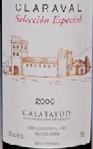 Bodegas Y Viñedos Del Jalon Claraval Seleccion Especial 2006 ($10): Yeah, the name is a mouthful. But, daaaamn, the wine is too. Hailing from a wine region worth watching– Calatayud– this wine is made by blending Garnacha (50%), Tempranillo (20%), Cabernet Sauvignon (20%), Syrah (10%). The bush-vine Garnacha is an average 60 years old, planted on mountainside vineyards of slate and quartzite. The wine seems initially shy: even decanted, the wine did not start to reveal itself until after the first hour. Then it released cedar and sweet spice notes and it started to sing. On the palate, again initially tight, but patience was rewarded and the hidden red and black fruits revealed themselves a little bit at a time. Truthfully, it was difficult to stop drinking this wine. So I didn’t. Bad Sybarite, bad, bad Sybarite! Rated **1/2
Regarding Calatayud– Located in the province of Zaragoza in the Ebro River Valley, in the Northeastern quadrant of Spain, Calatayud is overshadowed by some its more famous neighbors including Rioja. The vineyards are situated on either side of the Jalon a tributary of the the Ebro River.  However, the limestone rich soil of Calatayud is one reason to pay attention to wines coming from this region. Another reason? The native varietal known as Garnacha (but perhaps better known as Grenache). About 2/3 of the total production in Calatayud is of this varietal which is used as a blending grape to provide some oomph to wines. According to Espavino, the 2003, 2004 and 2005 vintages are considered Very Good, while the 2006 vintage that spawned the very nice Claraval was considered merely Good.
Cuisine du jour: I must really be looking for trouble trying to make paella in the middle of the week. Perhaps a lot of trouble given that the last time I tried to make paella (about two years ago) it was a memorable disaster. The flavors were spot on, but the rice was woefully undercooked.
The difficulty stems from the fact that I was using the wrong equipment: Paella is traditionally cooked in a “paellera” – a round flat pan with two handles. In my prior attempt, I did not use a paellera which owing to its shape (wide and shallow) allows the rice to cook horizontally rather than the more vertical method used to cook rice in a sauce pan or a rice cooker that has higher sides. The other element of this is that paella is cooked from beginning to end completely uncovered– again, in stark contrast to the vertical method. This sounded like a good excuse to go out and buy a paellera. I procured a carbon steel 15-inch model for about $24 at the local gourmet store. I’m sure I could have gotten it for a bit less if I had ordered it on-line. But no time for that. (FYI, they had two other versions of the paellera, one in copper for $350 and a second enamelled version for about $150! No need.)
We invited two of our closest friends over for what I hoped would be a feast.
In light of my prior paella experience, I spent much time worrying whether I used too much liquid, not enough, too much rice, not enough rice, etc. So I fiddled with proportions a bit. But you should not do that. The key is 3 times as much liquid as rice. This was not a difficult dish to make– and while my results were good, to be truthful, it will be a while before I master it. But my guests did not complain– there were hardly any leftovers!
Wednesday Night Paella
A 15 inch paella pan will make enough paella for 5-6 people.
Ingredients
- 7 & 1/2 cups of chicken stock (water may be substituted)– hell, round-up to 8 cups3 tbsps. EVOO
- 5 chicken drumsticks with bone and skin removed and cut into coarse pieces
- 6 boneless skinless chicken thighs also cut into coarse pieces
- 1 large white onion medium diced
- 1 large red bell pepper medium diced
- 1 cup diced tomatoes
- 2 Tbsps. sweet paprika
- 1 tsp saffron (expensive, yes, but essential)
- 2 & 1/2 cups of long grained rice
- Heat up chicken stock till almost to boiling point.
- Meanwhile, heat empty paella pan until hot
- Add EVOO and when heated, add chicken pieces, season with kosher salt and brown over high heat
- Once the meat is browned, push to sides of the pan and add onions, bell pepper, tomatoes and saffron in the center of the pan and cook until onion os softened
- Add hot chicken stock (or water), stir and bring to a boil
- Check for seasoning and add salt if necessary
- Add the rice in a pattern that creates a cross (or for the more secular of us, an “X”) in the pan. This is important as it will help in the dispersion of the rice throughout the entire paella
- Stir the rice in being careful not to stir too vigorously as the liquid can easily pour over the shallow sides of the pan
- Cook over high heat (can be done on the grill or stove top over a gas flame)
- Periodically reposition the pan over the flame to ensure that all the rice get exposure to direct heat
- Once the liquid had been absorbed, remove the pan from the heat source and loosely cover the paella with a piece of newspaper for about 5-10 minutes which allows the rice at the top of the paella to absorb any residual moisture that would otherwise evaporate
Serves 5-6
Alternatives additions– this dish would not suffer from the addition of any of the following: minced garlic, petite peas, chorizo, etc.
Sybarite Sauvage ©
So you wanna impress that young lady on your first match.com date by showing off your knowledge of fermented grape juice?
Seriously? OK, got it. Like the guys from Corporate Headquarters always say: “I’m here to help.” Translation: I’ll give you the 4-1-1 but after that you’re on your own, dude.
Let’s start with how we talk about wine. It’s all about the adjectives. Personally, I have no problem with describing flavors in wines using terms like vanilla, blueberries, blackberries, chocolate, citrus, cherries as well as other commonly understood aromas like earth, cedar and barnyard. I just wish some reviewers didn’t use terms that border on the metaphysical, incomprehensible or ridiculous.
Everyone’s taste buds are unique and aroma and taste preferences are driven by personal experience, cultural factors (how else to explain creamed herring, fried pickles and gefilte fish?), physiology (women have more sensitive palates than men– yeah, I read that somewhere), etc. So if you decide to use any of the following terms, don’t blame me if you don’t get that good night kiss at the end of your internet date. And definitely, don’t call if some guy at the bar, named Rocco, decides to use your head as a footstool.
B lack Jelly. Yeah, somebody actually used this one. A Wine Enthusiast Review of Château La Conseillante Pomerol 2006: “A wonderfully firm wine, which balances extraction with pure sweet fruit. It moves comfortably within its tannic structure, the ripe Merlot allowed plenty of play to show off its black jelly and plum flavors.”
Would it hurt you to say licorice (if that’s what this means)? Perhaps it would hurt, but not as much as those hand cuffs, I’ll bet. And just try to say “black jelly” in public without getting beat up. I dare you.
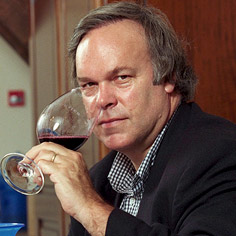
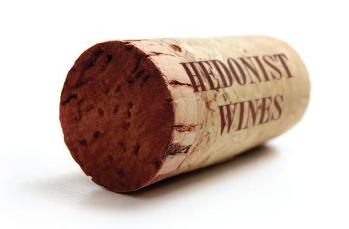
 Hedonistic. I still can’t completely wrap my mind around what Robert Parker means when he describes a wine as “hedonistic” or “pure hedonism”. A hedonist is a person that holds that pleasure is the greatest good. So a hedonistic wine is a pleasurable wine? That is pretty meaningless– I find many wines to be pleasurable. But it seems to me that when RP uses the term, he has something more specific in mind. It seems to me that he means a big wine, with higher concentration, higher alcohol, etc. Though I enjoy these, they do not bring me the greatest pleasure.
 Pencil Shavings. You can smell them. But you better not be tasting them.
“Yeah, I get pencil shavings”
Ticonderoga No. 2.
 Saddle Leather. Smell saddle leather? Taste saddle leather? The last time I was in a saddle, I had no desire to take a sniff of the thing. And I’m not about to start.
I’m having a pretty nasty City Slickers moment here. You know what I’m taking about.
That just sucks all of the joy out of drinking those classic Spanish Gran Reservas.
 Silky. Silky is what good pinot noir feels like in the mouth– think Victoria’s Secret, Hermes neckwear, most anything from Domaine Serene. Think of wines that dance across the tongue with light footsteps leaving luscious flavors in their wake.
Silky has character. Silky seduces. Silky might get you into the End Zone.
Silky keeps you coming back for more. Just..um… lose the riding crop, OK?
 Smooth. Or more accurately, “smoooooth”. And when you say this, make sure to half-shut your eyes almost like you’re having a religious vision or are being possessed or something. I hear people use this term and the first thing I think of is cheap California Merlot. But these are the same people who won’t “drink any f*****g merlot”.
What does smooth do? It brushes the lint from your shoulder and keeps you wrinkle-free. To me, it sounds like another way of saying “boring”. The one advantage that you have with this adjective is that if you do decide to use it in public, you will likely get a bunch of folks around you nodding in agreement.
 Seductive. Another example: “Antinori’s 2007 Tignanello is wonderfully ripe and seductive in its dark cherries, flowers, spices, tobacco, sage, cedar, mint and minerals.”
Sorry, dude, people are seductive. Dark cherries, by themselves, not so much. Dark cherries in Ms. R’s hands, different story. Cherries in Ms. R’s hands after drinking a bottle of Antinori’s 2007 Tignanello? Unforgettably Seductive. I think I hear some Funky Music– do you Roger that, White Boy?
 Tar. I always thought that tar (in combination with a good measure of feathers) was only good for expressing displeasure with one’s elected representatives and other undesirables.
Apparently not. While I don’t mind a certain earthiness in some of the wines I drink, I don’t immediately think of tar as being a component of the aroma/flavor profile of any wine.
 Spice Box. What kind of spices do you really mean?
Indian? French? Chinese?
Perhaps some English Spices? Those are my favorites.
Enough said.
 Transcendent. “Quaffable, but uh… far from transcendent.” Miles wasn’t happy enough to screw up Merlot. Now our wines have to be “transcendent”. To transcend is to surpass others of the same kind. Put another way: “This is the best damn wine I have ever had.”
The Best? At least until the next transcendent wine’s cork is popped. But until then, you’ll have to settle for
This little guy doesn’t have a guilty bone in his body. Neither should you. Every Wednesday I will write-up a wine that I feel delivers good value for drinking in the middle of the week. Aside from quality, my only other criteria is price. To start, less than $15, but ideally less than $10, for a 750 ml bottle.
I will also add any recipes that I paired with the wine. I hope that I will be successful with all of my pairings, but there are never guarantees and I will report on my duds as well. My ultimate goal for each of these dinners is to end up with the same self-satisfied jaunty grin that my little friend to the left has. I also hope to leave you with a recipe that you can use to match up with a wine of your choice if you can’t locate the one I recommend.
No-Guilt Wednesday is not about compromising on quality. It’s about all about drinking good wine that does not break the bank. And of course, it’s about sharing with the ones you love.
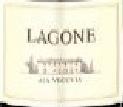 Aia Vecchia Lagone 2007 ($14): This Tuscan blend of Merlot, Cabernet Sauvignon and Cabernet Franc is a “go-to” wine for me when I’m looking for something that I know will be Italian food friendly. Got some prosciutto-pasta-tomato-sauce-parmesan-pancetta-risotto-thing going on? This is your vino. Did someone say pizza? Yeah that too. My purist Italian friends (that’s you marclifestyle) might scoff at all these French varietals in an Italian wine. But that scoffing would be undeserved. And you may scoff when we consider that at $14, this is at the upper end of the price that guarantees me no guilt. But it’s my party, so deal. OK, so what’s in the bottle? Medium to full-bodied, with a nose of underbrush, herbs and florals leading to a palate of black plums and finishing with soft tannins. Ms. R and I were sad to see the bottom of the decanter. Rated **1/2
And what did we eat with this? Did someone say red wine with fish? “You Betcha!” We’re talking Smoked Trout Orecchiette. Seriously, it was a very decent match. The Lagone cut through the salty, oily fish. Now sometimes red wine brings out an unpleasant fishiness in seafood. Not this time– the sweetness of the peas and onion balance the salty-smokey trout. The red wine sings in concert with this dish. Trust us on this one.
Smoked Trout Orecchiette
Ingredients
- 1 lb. of Orecchiette (ear shaped pasta)
- 1/3 cup of EVOO
- 2 garlic medium-sized cloves very thinly sliced
- 1 white onion diced
- 1/2 cup of frozen petite peas
- 2 tbsps of nonpareille capers
- 1/2 lb. of smoked trout cut into 1/2 inch pieces
- 1/2 cup if chopped fresh parsley
- Juice of 1/4 lemon
- Bring 4-6 quarts of water to a boil in a large pot and add enough 1/4 cup of salt so that water is salty to the taste
- Boil orecchiette in salted water until cooked al dente
- While pasta is cooking, warm up EVOO in a large pan and add garlic and saute over medium heat for 30 seconds until oil become fragrant (do not burn the garlic)
- Add white onion, petite peas, capers and smoked trout. Cook until onions are soft– about 3-5 minutes
- Stir in chopped parsley and add additional EVOO if needed
- Stir in lemon juice. At this time taste the sauce to make sure that it is salted to taste. The smoked fish is salty and so additional salt may not be needed.
- Once pasta is finished cooking, reserve 1/2 cup of pasta cooking liquid and drain the pasta
- Add the pasta to the pan with the sauce and add the pasta cooking liquid to the pan if needed. Stir the pasta in the sauce until coated. If the pan is too dry add small amounts of the pasta liquid to ensure that the orecchiette has a sauce
- Plate and sprinkle with Parmesano Reggiano
Serves 4
Sybarite Sauvage ©

This little guy doesn’t have a guilty bone in his body. Neither should you. Every Wednesday I will write-up a wine that I feel delivers good value for drinking in the middle of the week. Aside from quality, my only other criteria is price. To start, less than $15, but ideally less than $10, for a 750 ml bottle.
I will also add any recipes that I paired with the wine. I hope that I will be successful with all of my pairings, but there are never guarantees and I will report on my duds as well. My ultimate goal for each of these dinners is to end up with the same self-satisfied jaunty grin that my little friend to the left has. I also hope to leave you with a recipe that you can use to match up with a wine of your choice if you can’t locate the one I recommend.
A few days ago, I identified the Crosby California Merlot 2009 which I picked up for about $9 as a good candidate for this week’s No-Guilt segment. While at the market last night it started to come together. I grabbed a duck breast, two poblano chiles and a Vidalia onion (these are in season now, but a white onion would do nicely at other times of the year). Some corn tortillas and the vision was nearly complete: tender breast of duck slow cooked in a braise, pulled apart just before serving and piled on corn tortillas, drizzled with a reduction of the braising liquid (stock and wine?).
That was last night and what Ms. R and I ended up with today was a little different. Forget the braise– we grilled instead. I also wanted some sweetness and heat in this dish and I didn’t have a clue how that was going to happen until inspiration struck: yes! a blackberry-ancho chile sauce, which was inspired by a prior tasting of this wine, would definitely do the trick. It brought a little heat to the dish which did not interfere with the wine at all.
And while most health conscious folks would remove the skin after cooking, I chose not to do that to create more flavor and texture. And, hey this is why I go to the gym every day!
Grilled Duck Breast with Blackberry-Ancho Chile Sauce ©
Ingredients
- 1 Magret Duck Breast (about 1 lb.)
- 2 Garlic cloves minced
- salt & pepper
- 1 large Vidalia onion cut through the root and sliced cross-wise
- 4 poblano chiles
- 1 to 2 tbsps. EVOO
For the sauce:
- 1 tbsp. EVOO
- 2 dried ancho chiles (re-hydrated with boiling water, seeded and de-stemmed– reserve 1/4 cup of the water)
- 1 garlic clove minced
- 1/2 cup sliced Vidalia onion
- 1 1/2 tbsp balsamic vinegar
- 3 tablespoons seedless blackberry jam
- salt & pepper
To Prepare the Sauce:
- To a hot sauce pan add 1 tbsp of EVOO and saute the onion, garlic and rehydrated ancho chiles until the onion is soft but not carmelized.
- Add 1/4 cup of pepper water, balsamic vinegar and the blackberry jam to the sauce pan. Bring to a boil to make sure the jam melts.
- Season with salt and pepper to taste.
- Carefully (so as not to burn yourself) pour contents of the sauce pan in a blender, place cover on blender and blend on high to liquefy the ingredients.
- Strain the content of the blender and discard the solids– the resulting sauce should have the texture of a heavy cream.
- If the sauce is too thin, return it to the stove an reduce over a low flame until the desired consistency is achieved.
To Prepare the Duck:
- Place the duck breast between two sheets of plastic wrap and pound until the breast has an even thickness.
- Score the skin side of the duck breast cutting the skin, but not the underlying meat, creating a diamond pattern on the skin
- Season both sides of the breast with salt & pepper, rub with the 2 cloves of minced garlic and set aside
- Roast the fresh poblano chiles over an open flame or under a broiler till the skins turn black. Set aside to cool and then rinse under cool water to remove blackened skin. Slice open, remove seeds and cut into long thin strips.
- Toss the chiles with the slices onion and set aside.
- Grill the duck in a hot grill set to medium high. Start skin side down for 4 minutes. Flip and cook the other side for 5 minutes or until the internal temperature reaches 140° for medium-rare and both sides have been seared. Remove from the grill and set aside to rest. (Hint: keep a water bottle handy to deal with flare ups)
- While the duck is resting, add 1 tbsp. of EVOO to a pan and saute the Vidalia onions and Poblano chiles (a wok is ideal for this). Season to taste with salt & pepper while it is cooking.
- Warm up some flour tortillas on the grill
- Optional step– remove the skin.
- Thinly slice the duck and serve alongside the onion-chile saute, blackberry-ancho sauce and tortillas (either corn or flour)
- Each tortilla can be assembled with a slice of duck or two, the onion-chile saute and a slight drizzle of the blackberry-ancho sauce
© Sybarite Sauvage
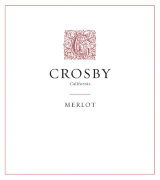 Crosby California Merlot 2009 ($9): On the nose this hinted at garden herbs. For the money, this simple little wine shows some blackberry flavors in a velvet wrapper that echoed some of the flavors in the sauce that accompanied the duck breast tacos. Not complex, not richly textured, and not an ounce of guilt! But a joy to drink. Rated **
One more thing: once dinner was done, the bottle was empty as were the plates! Oh yeah, I am definitely feeling jaunty!

Perhaps “Compelling Beaujolais” is an oxymoron. Let’s see.
Recently, Jancis Robinson, wine critic of the Financial Times, noted that the 2009 Beaujolais vintage is the best in recent memory. In her words, “… how about delicious 2009s that are stuffed full of fruit, cost well under £15 a bottle and are actually delicious to drink? Now.”
Given that, by and large, these wines are at the more affordable end of the spectrum, I decided to invite some friends over for a late spring Beaujolais dinner on Saturday evening to check out the 2009 Cru Beaujolais. Not only did we taste some good wine, but most importantly we had a great evening filled with silliness, laughter and a little bit of dancing. That, in the final analysis, is what Beaujolais is really all about!
Let me say that I am not a huge fan of Beaujolais. That probably goes back to the few bottles of uninspired and/or Bad Beaujolais I have drunk over the years– mostly Beaujolais Villages. But not much Cru Beaujolais. Is there a difference? You bet your sweet bippy!

Where does one start to look for a Bippy, anyway?
We all remember the boom of Beaujolais Nouveau– though perhaps better to forget. But remember the best of these had a ripeness, freshness and acidity that made them perfect for easy Thanksgiving drinking. No small accident that the wines typically arrive in the third week of November each year? Actually, a 1951 French government decree proscribes the release of the wines before November 15th of the vintage year. You tell me.
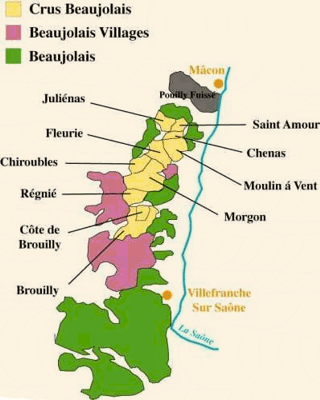
A lot of Beaujolais Nouveau comes from the green part of the Beaujolais map, below. Then there is Beaujolais Villages which comes from a hillier section of Beaujolais. A step up, though the wines do share a characteristic freshness with the Nouveau.
And at the top of the food chain, we have Cru Beaujolais which are ten communes the wines of which are considered to be so distinctive as to merit their own appellation.
So why are the wines getting attention now? It seems that the prior years were not so good. Was there a lack of focus? Or a sacrificing of quality in pursuit of profit? Perhaps complacency set in after the heady days of Beaujolais Nouveau in the 1980’s. I can’t really say. And then in 2009, the growing season was exceptionally good with the gamay ripening much earlier than normal and, according to Mrs. Robinson, harvest starting in late August.
Based on last night’s tasting, the 2009 Cru Beaujolais are worth pursuing and drinking now and for the next few years.
Can one speak of Beaujolais without mentioning the varietal that makes it all happen: Gamay? Gamay produces a fruity wine with a purply-pink color. Acidity keeps the fruit fresh and lively on the palate. If you add a little barrel aging, then you start to get somewhere.
Beaujolais is located on the southernmost end of Burgundy. It is bordered on the east by the Saone. Beaujolais wines tend to get better and are of greater repute in the northern part of Beaujolais. Thus, generally, the best place is the 10 Cru Beaujolais which are reputed to have the most distinctive production. One note about shopping for Cru Beaujolais. The bottles usually highlight the commune of origin, rather than prominently identify the wine as being Beaujolais.
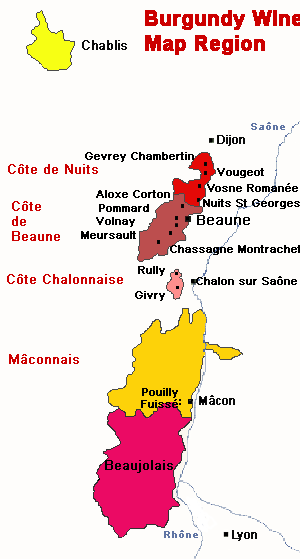

Although we did not obtain Cru Beaujolais from each of the 10 Villages, we had a representative sampling from 6 of them from North to South as follows:
- Juliénas
- Moulin-à-Vent
- Chiroubles
- Morgon
- Regniè
- Brouilly
Here in order tasted are the wines we had last night. Please note, that as there were only 7 of us tasting, we had lots of leftovers which gave me a chance to retaste earlier today.
1. Henry Fessy Chateau des Reyssiers Regnie 2009: Good nose indicating floral almost lavender-like notes, but the palate did not follow through and the finish seemed a little out of balance. Rated **
2. Paul Cinquin Domaine des Braves Regnie 2009: More characteristic Beaujolais nose, delivers a nicely balanced package of fruit. Rated **1/2
3. Georges Duboeuf Morgon Jean Descombes 2009: Decent fruit with minerally quality that established structure throughout. Rated **
4. Chateau de Pizay Morgon-2009: Aromas of cherries and kirsch, with a consistent palate that contains a minerally edge (though not as pronounced as the Georges Duboeuf Morgon Jean Descombes) and finishing with fine tannins. This feels like it can age for a few more years in the bottle would be even better. **1/2
5. Louis Jadot Beaujolais-Village 2009: Not a Cru Beaujolais, but it snuck into the tasting. Fruit-filled nose, palate did not really deliver, and finished off with acid and tannins that were a little intense. Rated *1/2
6. Louis Jadot Moulin à Vent Château des Jacques 2009: Inviting nose with floral components, red fruit balanced by acidity and tannin. After tasting No. 5, this one really sang. This was the first bottle emptied for the evening. ** 1/2
7. Domaine de la Chapelle des Bois Chiroubles-2009 Very attractive all around and good structure on the finish. Rated **1/2
8. Terres Dorees L’Ancien Beaujolais (Jean-Paul Brun) 2009 : another non-Cru Beaujolais that snuck into the tasting. The palate has an attractive dustiness to it that translates into a mouthful of red fruit (think raspberries). Done in a lighter style, it does not have the same level of concentration as the Cru Beaujolais in the tasting, but it was quite food friendly Rated **
9. Henry Fessy Moulin à Vent 2009: Fine nose with a palate that showed good concentration. This is quite comparable to the Louis Jadot Moulin à Vent Château des Jacques and is another bottle that was drunk quite quickly by last night’s participants. Rated **1/2
10. Georges Duboeuf Brouilly 2009: A fruity nose on this wine from the southernmost of the Cru Beaujolais. It is a very approachable wine that was the softest of the wines tasted. Soft blueberry like flavors, soft acidity lending a roundness to the wine, and soft tannins. An enjoyable style. Rated **1/2
11. Henry Fessy Julienas 2009: From the northernmost of the Cru Beaujolais at this tasting, this wine had a heavier body and darker appearance than many of the others save for the two wines from Moulin à Vent. It gets going with a hint of earth on the nose, which if I didn’t know better, could be mistaken for syrah. But of course, this is Gamay. On the palate, starts off sweetly but then turns down an acidic alley and delivers a punch of dark fruit and tannins. What is this– a bad movie from the 70’s? No it is a good wine that can definitely can be aged for a couple more years without harming it one bit. It’s a shame this one was opened so late in the evening, as none of us really appreciated it as well as I did in the sip and spit session this morning. Ah, the joys of leftovers! Rated **1/2
As for the food last night, I prepared a menu that I thought would marry well with the wines:
Asiago Gougeres
Pan-Seared Sea Scallops with Radicchio Chiffonade Salad
Spaghetti Glicine (with Shallots, Parsley and Vine Ripened Tomatoes)
Grilled Rib Eye with Garlic Mushrooms & Spinach
The Pan-seared scallops were the best. Not only was the dish tasty, but it was also the most beautiful with colors of purple and green to balance the carmelized seared scallops. My mouth is watering just thing about this. Yours will too… I promise.
Pan-Seared Sea Scallops with Radicchio Chiffonade Salad ©
- 2 lbs. Sea Scallops
- 1/4 cup ground almonds
- 3 garlic cloves minced
- One Head of Red Radicchio cut in a chiffonade (long thin strips)
- 4 Scallions cross-cut on an angle yielding very thin strips of the white and green parts
For the dressing: The key to the dressing is to have enough sweetness to balance the bitterness of the radicchio and the acidity of the vinegar. This is not an exact science and the flavor you get will depend on your ingredients. Therefore, you should feel free to play with the measurements to obtain the right balance of flavors for you.
- 3 Tbsp of Champagne Vinegar (white wine vinegar can be substituted)
- 1 Tbsp Pomegranate Molasses (this is a specialty that is worth searching for. but if not available, more honey can be added)
- 1 1/2 Tbsp honey
- 1/4 cup of Extra Virgin Olive Oil (I prefer Kalamata olive oil)
- Prepare the scallops by removing and discarding the tough side muscle from each scallop
- Wash the scallops in cold water in a colander, pat dry and lay out on a cutting board or plate
- Season the scallops with salt & pepper
- Combine the almonds and the minced garlic and place on top of the scallops and set aside
- Combine the first 3 of the dressing ingredients in a bowl. Drizzle the EVOO while whisking the dressing. Adjust the flavors to your liking. Right before scallops are to be cooked, dress the salad coating all of the shredded pieces evenly. Arrange the salad in the center of your serving platter or individual serving plates
- Heat up a large frying pan until is very hot
- Add 2 Tbsps. of EVOO
- When oil is just starting to smoke, place the scallops almond/garlic side down and cook at high heat until they take on a light golden brown color (about 2-3 minutes depending on your stove). Turn once and cook on the other side for another 2-3 minutes. Do not overcook these as they will lose their tenderness)
- Arrange the scallops around the previously plated radicchio salad.
- Any of the garlic/almond crumbs that remain in the pan can be gathered up with a spoon and sprinkled on top of the salad.
Makes 8 appetizer sized servings or 4 entrée sized servings.
© Sybarite Sauvage

Wednesday night, I found myself at Ms. R’s around the time that I should be having dinner. Funny that. Dinner, complements of Ms. R’s mother, was on the stove. Arroz con Pollo (that’s rice and chicken for the uninitiated). Good thing I brought along an Argentine Malbec. Or so I thought.
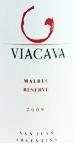 2009 Viacava Malbec Reserve San Juan, Argentina ($8): I honestly wanted to like this wine. I poured, swirled, sniffed, sniffed some more, sipped. But it wasn’t doing it for me. In fact, it reminded me of the flavor profile that led me, not so long ago, to dislike Malbec. I let it sit, and it got a little bit better. But I still was not feeling it. The nose really had nothing going on. Also, I found the fruit to be a little unbalanced. For $8, my expectations should not be so high, I know. But the criticism of this wine was not universal. Ms. R disagreed with me, though she described it as an easy drinking middle of the week kind of wine. Oh hell, why not just say that’s “smooth” sweetheart! “Enough!” said I, as I went in search of another bottle. Thankfully, between Ms. R, her mother and visiting sister, I did not have to drink this stuff. Rated *
Ladies, you can drink this shallow Malbec, if you like. But for me, only two words will do– “No Mas!” Or on reconsideration perhaps Mas is the way to go. So I reached for a bottle of:
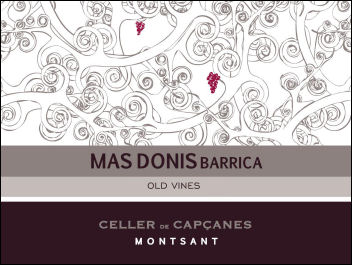
 2007 Mas Donis Barrica Old Vines Celler de Capcanes Montsant, Spain ($13.50): Now this was more like it. I know, this isn’t a fair comparison with the 2009 Malbec. And, so, I won’t compare. For bargain hunters, the wines of Montsant are always worth checking out. Why? Because this area, located a short drive from Barcelona, borders on Priorat, which today produces some of the world’s greatest and most expensive wines. Now the soil in Montsant isn’t exactly the same as Priorat, but the wines do have a unique concentration and at this price, should not be passed up. Made with 85% grenache and 15% syrah and aged for 9 months in oak, this had the nose that I typically associate with wines from this part of Spain and especially those with a component of Syrah. It’s a generous wine that I decided to decant as out of the bottle, it was a little tight. As the wine relaxed in its oxygen bath, it started to release different aromas of earth mixed with dark fruit complemented by a slight herbaceous edge. While this wine did not blow me away, I would drink this on any No-Guilt Wednesday! And yes, it went very well with Grandma’s Arroz con Pollo. Rated ** 1/2
Follow up note, after a little bit of internet research, I found the Mas Donis via mail order for as low as $8 a bottle if you buy a case.

Ce bouquet est parfumé
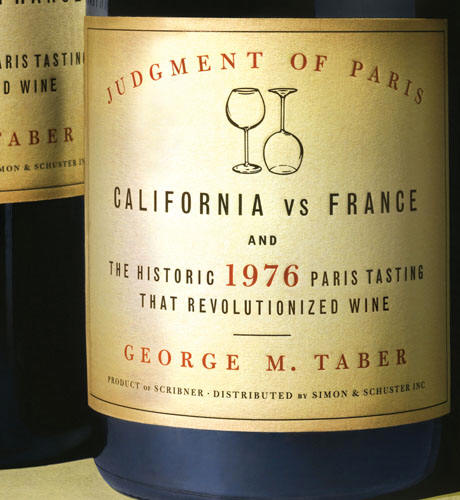
By happenstance, last week I picked up a copy George M. Taber’s Judgement of Paris, California vs. France and the Historic 1976 Paris Tasting the Revolutionized Wine. I had no idea when I purchased it that it was the advent of the 35th anniversary of that event. Today being the day.
Although, I am only about half way through the book, I find it to be an amusing read even if some of the anecdotes that Taber provides to add color about a situation or the personality of a Napa vintner, for instance, seem a little out of place in the text. But that is a small quibble. The book captures the essence of California wine country history in a retelling of the events leading up to the historic tasting where American wines, surprisingly, beat out some rather formidable French competition. But as I think back on that event (of which I was blissfully unaware at that time), I see that the world, and specifically, the world of wine, is a very different place today, a mere 35 years later.
Although I was too young to imbibe in 1976, in the years that followed, I somehow became aware that American wines had beaten the best France had to offer in a wrestle-mania kind of smackdown. Hell, let’s face it, anytime we can show the French up, we enjoy it.
But where was I in 1976? Working, not that hard, toward a high school diploma, at the Cosmo-Demonic Catholic High School (thank you Henry Miller). Wine was the last thing on my mind.
I am grateful to have had two formative moments when it came to wine. In the late seventies I had my first sweet sip of Fratelli Lambrusco (the cheap drink that started me on this journey) with a girl named JoAnn. Not to worry, shortly thereafter I graduated from that delightful nectar to Lancers Rosé and then Mateus Rosé (Saddam Hussein’s date-night favorite, apparently). Let’s not even talk about Riunite wines. At 19, you can drink anything and and get away with it.
My second wine epiphany came in my first year of law school when I was 23. I bought a bottle of some inexpensive rhone wine from Louis Jadot back in 1983 to accompany a roast chicken that I made for myself that night. I must have enjoyed it since I finished the bottle by my lonesome that night. I probably had Mahler’s Fourth Symphony playing on the stereo that evening. It was magical! I vaguely remember stumbling into bed and waking with a mild hangover the next day. Maybe it wasn’t so mild, but, never mind. I remember how startled I was that the wine tasted so much better when paired with the student cuisine du jour– my first stumbled-upon and successful pairing.
But I digress. Why do I care about the Paris tasting? It turned conventional wisdom upside down, for starters. Although Prohibition ended in 1933, the aftershocks of those few boozeless years severely damaged the domestic wine industry and the effects of that carried into the 1970s. Does anyone remember Paul Masson and Gallo jug wines? That’s pretty much all we had, folks: these were the wines that most people thought of when buying American table wines. Up to that point, if you were an American wine snob, you only drank French wines.
 The Paris tasting changed that. Not just for Napa wines (the big winners in the tasting), but ultimately for wines from any number of countries including Australia, South Africa, New Zealand, Argentina, Chile, etc. That event made people around the world realize that America had something great to contribute to the wine world. But perhaps, more importantly, it made people in America realize that good wines existed outside of France. And that is a good thing for someone like me who is always looking for the next exciting region/varietal/producer.
Cheers y Salud!

Wine Tasting Faux Pas No. 1: "Hey, are you wearing cologne?"
Friday May 20th. What a way to start the weekend!
Wine at Five proprietor, Cai Palmer, has organized an elegant, yet informal, event at the Wainwright House, located in Rye, NY. Bottom line: very decent grub, and a nice selection of wines being poured by 12 distributors. All wines available for purchase, though not all of them at discounts to what you might pay for them elsewhere with a little bit of internet research. But many of them were well priced. Still, for a more-than-fair fee of $50 per person it’s tough to go wrong. Wine at Five is a small, though high quality, store also located in Rye. Want to learn more? Check out Cai’s blog (the Wine at Five link is on the left side of this page): Usually informative, always entertaining.
Ms. R and I attended the event last year, loved it, and were anticipating having an even better time this year. We were not disappointed. First off the food: an international selection items from Italian charcuterie to paella to barbecued pulled pork to vegetable and chicken skewers. All quite good, but forgive me for this, Cai, the paella paled in comparison to mom’s. The pulled pork, however, was excellent.
During the course of the evening, Cai, ever the gracious host, polled some of his guests, including Ms. R, on the quality of the comestibles. Their exchange went a little like this:
Cai: How was the food?
Ms. R: It sucked.
Cai: (expressing momentary look of shock) You’re kidding me!
Ms. R: (Pauses) Yes I am!
Thanks a lot, Ms. R– Cai will not soon forget you. It’s a good thing you happen to be charming because this is the only way we will get invited back for next year’s event…
Given the volume of wines being offered, it is difficult to decide where to start. Thankfully, Cai and his team, distributed the evening’s catalog of offerings earlier in the week. So I had a chance to peruse the list and determine which distributors should get my fullest attention. [Note to Cai– thanks for this, since I missed some good wines last year.] With 12 different distributors to choose from, you know you will get an eclectic selection of wines and to Cai’s credit, he asked the distributors to pour higher quality wines than they might normally pour for a tasting. Here were some of my favorite selections of the evening (the distributors are identified in parentheses).
Table 1 (Soilair Selection): Pietranera Rosso di Montalcino 2008— This was a bit of a surprise. With a pale color, my expectations for concentration were lowered. You know who she is: the quiet young thing sitting at the end of the bar in the understated dress. But this sweet thing was packing some heat underneath that shift. We’re talking vibrancy of fruit and unexpected earthiness. Rated **1/2
Table 2 (Acid Inc. Selections): Vaona Odino Valpolicella Classico 2009–another good Italian– but quite different from the Pietranera. A softer style of wine with good fruit up front balanced by just the right amount of tannin and acidity. Food friendly and just good on its own. Rated **1/2
Table 3 (Encore Wines):
- Fontallada Cava Brut Nature (NV)— typical cava with some soft edges and a yeasty bread like finish. Rated **
- Broc Cellars Vine Starr White 2009— Chardonnay (50%), Rousanne (25%) & Picpoul (25%). My first reaction “This SOB is from California!? No way!” Way, dude, WAY– a native Nebraskan winemaker with a degree in philosophy working with Paso Robles grapes at a Berkeley address. Perfect, huh? This is chardonnay for chardonnay haters– I know, we had one with us and she was enamored with this white. Of the whites I tasted, this was among the ones that showed some elegance. I’m thinking Rhone. I’m also thinking buy it. Rated **1/2
- Sleight of Hand Spellbinder 2009— another one of these kitchen sink blends from the Columbia Valley. It’s Super Tuscan meet Washington State: Cabernet, Merlot, Cabernet Franc, Sangiovese & Syrah. A little something for everyone with good presence and in a nicely balanced package. Rated **1/2
Table 4 (Felipe Gonzalez-Byass): Beronia Crianza 2007— I have to confess that I like the more classically-styled crianzas. Restraint, but a lot going on in the bottle. And at $13, this is one that is bound to make it to No-Guilt Wednesday. Stay tuned for more. Rated **1/2
Table 8 (Wildman & Sons): Heitz Cabernet Trailside Vineyard 2001— this is the standout of the evening– layers of aromas and flavors. And at 10 years of age, doing that thang the way it should be done. Not inexpensive at $74, but a damn good wine. Rated ***1/2
Table 10 (Jerome Selections): Chateau de Callac Prestige 2005— Having tasted the Heitz Cab, this was my favorite affordable wine. An expressive nose in this Bordeaux blend, but with restrained fruit and balance. A wine done up in a classical style from the very good 2005 vintage. The tannins were still a little grippy. Decant this before you drink it. I had this rated at little bit better than **1/2, but I don’t think it merits a *** rating, at least not yet. In time, that may change. Rated **1/2

How many hands does it take to balance a glass of wine, a plate of paella and um...
Wine Etiquette Observation No. 1: To the subtle woman who smothered herself in perfume shortly before arriving at the tasting, 2 short couplets:
The wines we tasted were most glorious;
Contrary, your bouquet was just odoriferous.
Your scent, we noticed before you arrived
And taking our leave, we felt revived.
OK, I’m no Lord Byron, but you get the picture.
Wine Etiquette Observation No. 2: While this was, ostensibly, a wine tasting it seems that different folks arrived with different agendas. For some, tasting wine was mere pretext. Flipping through a recent issue of Ebony (and doesn’t everyone read Ebony? If you don’t, you should.), I came across a comment by a real-life Hitch– the professional pick up artist/wingman who charges clients to show them how to score with the opposite sex in social situations. He noted that women choose to go to wine tastings to troll for men. And so they do– I saw some of these women. They did not look like my friend to the left. And they certainly couldn’t hold a candle to my wingwoman, Ms. R!
 This little guy doesn’t have a guilty bone in his body. Neither should you. Every Wednesday I will write-up a wine that I feel delivers good value for drinking in the middle of the week. Aside from quality, my only other criteria is price. To start, less than $15, but ideally less than $10, for a 750 ml bottle. I will also add any recipes that I paired with the wine.
Now, I realize that it is already Friday, so I am behind schedule. Nothing new…
Torrontés is my new favorite white varietal. This is the predominant white grape in Argentina. There are different strains of the varietal, but the common denominator seems to be a relationship with the Muscat of Alexandria varietal.
Michel Torino Cuma Torrontés 2010 ($10): exhibits a citrus-like freshness on the nose that I associate with Sauvignon Blanc– but it is definitely not Sauv Blanc. There is also a floral component that defies specific descriptors, but that also lends an appealing quality to the wine. On the palate, it delivers on those floral promises backed up with a pleasing jolt of acidity. It also has a more viscous mouth feel than what you would expect from a wine like this. Rated **
It’s even better with food.
Oven Roasted Sole with Toasted Almonds and Lime-Butter ©
This is a too easy recipe that serves 1-2 people. Proportions can be easily adjusted for larger crowds.
Ingredients:
- 1/2 lb grey or Dover sole (allow 1/2 lb. per person), but really any fish will do including steelhead trout and salmon
- salt & pepper
- juice of 1/2 lime
- 2 tablespoon of butter
- sprigs of fresh thyme
- 2 scallions slice into thin rounds
- 1/4 cup sliced almonds
- 1 doz. fingerling potatoes cut in half lengthwise (the purple ones make for a dramatic presentation) and tossed with EVOO, salt & pepper
- Preheat oven to 400°
- Place a sheet of aluminum foil in a baking dish large enough to hold the fish
- Season the sole with salt & pepper and place on the aluminum foil
- Melt the butter and combine with the lime juice and pour Lime-Butter over the sole (make a little bit more if you want to dress the fish after it emerges from the oven)
- Sprinkle scallions and thyme over the sole
- Loosely cover the fish with another sheet of aluminum foil and crimp the edges to seal tightly (the idea here is to roast and steam the fish at the same time)
- Place in oven for 35 minutes
- Roast the seasoned fingerling potatoes in a separate baking dish at the same time as the fish. Keep an eye on the potatoes to make sure they do not over-cook.
- While the fish and potatoes are roasting, toss the almonds in a pan until lightly toasted and set aside
- After 35 minutes, remove fish and potatoes from oven and carefully remove the foil being careful not to burn yourself from the escaping steam (Note, this can be done at the table to keep the fish warm while guests are gathering)
- Sprinkle the fish with the toasted almonds (Note, if you want to make this a bit more luxurious, you can add a little more lime-butter at the time the fish is served)
© Sybarite Sauvage
Serving Suggestions:
No. 1: Serve with a colorful green salad or a tomato salad.
No. 2:  Invite that special lady over, put on Miles Davis’ Sketches of Spain and see what happens to you… Whipped cream with dessert is optional (but if you do, Reddi–Wip is preferred for ease of use). Bon appetit!
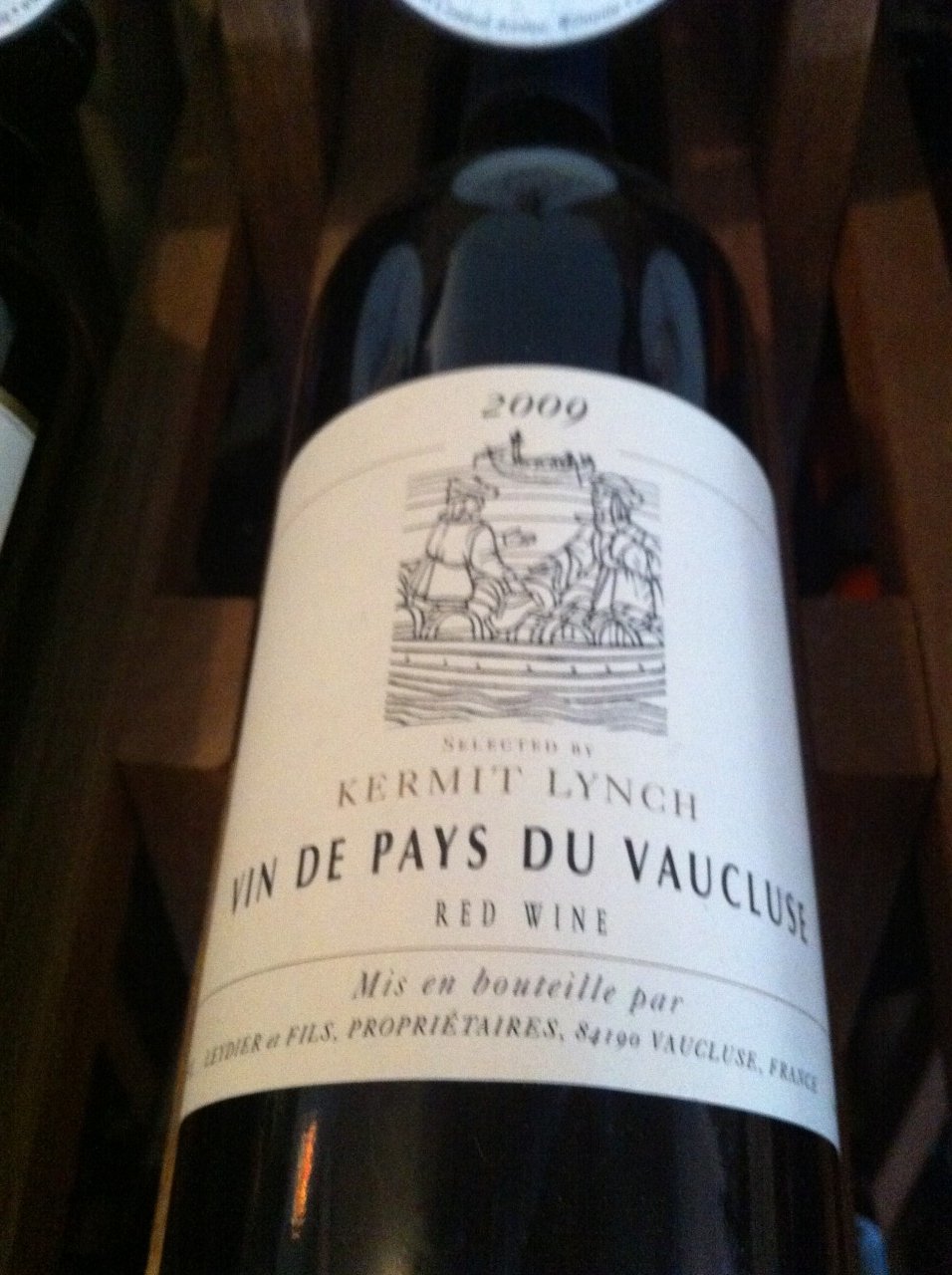 Recently I found myself in a wine shop I had never visited before. I love new wine shops– always full of the possibility of some great find, a new name I had not heard of before, a new varietal, an up and coming region. As I trolled my way through the store, at the back, on a shelf marked “Recommended”, I spotted a 2009 Vin de Pays du Vaucluse selected by Kermit Lynch. Normally I would walk past something like this. Nothing against Kermit Lynch, but Vin de Pay generally isn’t worth the trouble. But at $11 a bottle with the endorsement of the establishment right there how could I go wrong? Let’s see: I bought two bottles.
First tasting: The wine has some nice cherry flavors, tannins are not particularly strong. However, it felt slightly unbalanced because of the acidity. Still it was attractive enough that none of the bottle remained at the end of the evening. With that kind of acidity, I though it would do better with food. Rated **
For the second tasting of this wine, I paired it with a Moroccan inspired dish. On my travels to Morocco back in early 2001, I was impressed by the ubiquitous lemon chicken. I have come up with my own variation of the dish that requires very little actual cooking time though it does require a little bit of patience while it marinates.
Second tasting: Even though I decanted the wine this time, my initial impressions were the same as on the first tasting. However, the magic of a good pairing should never be underestimated. This budget beauty started to sing. A little more about this wine: it is a predominantly grenache based wine from the Southern Rhone. 55% Grenache, 20% Syrah, 15% Merlot, 10% Marselan. The wine never sees the inside of an oak barrel– it’s all about stainless steel and cement cuves*– which helps explain the more pronounced acidity I picked up in the two tastings as well as the minimalism of tannic structure. And yes, with only 13% alcohol and at $11 a bottle, I am buying more of this juice! I don’t mean to gush, but this wine is all about delivering value. Though my heart wants to go higher, my head says hold the rating to ** 1/2
Here is the recipe for Simple Moroccan Inspired Chicken which I made up on the fly earlier this morning before I left for work:
Simple Moroccan Inspired Chicken ©
Ingredients
Marinade Ingredients
-
Zest of one lemon minced
-
Juice of the same lemon squeezed into a mixing bowl (remove seeds)
-
1 tsp. dried Thyme
-
1/2 tsp. ground turmeric powder
-
1/2 tsp. ground coriander seed
-
1/2 tsp. ground cumin
-
1/4 tsp cayenne pepper
-
1/2 tsp. salt
-
Medium sized shallot thinly sliced
- Place seasoned chicken in a zip lock bag.
- Whisk together all if the marinade ingredients in a bowl and pour into the bag with the chicken.
- Close the bag and toss chicken pieces with the marinade till coated.
- Refrigerate for at least 8 hours. This is easy since you can do this in the morning before you leave for work and it will be waiting for you when you come home.
- Preheat oven to 350°.
- Remove chicken from refrigerator 1/2 hour before cooking and place in roasting pan.
- Bake for 35 minutes.
- The chicken should be done at this point. However an optional step to ensure browning of skin, is to place the chicken under the broiler for 3-5 minutes until the skin turns golden brown.
Serve this with a simple buttered couscous and a rocket salad. You’ll be living large baby!
Sybarite Sauvage ©
Cheers y Salud!
*Cuve is the French word for a vat or tank. A cuve may be made of any material including wood, concrete or stainless steel.

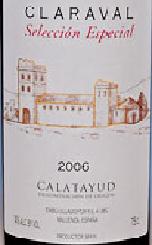 Bodegas Y Viñedos Del Jalon Claraval Seleccion Especial 2006 ($10): Yeah, the name is a mouthful. But, daaaamn, the wine is too. Hailing from a wine region worth watching– Calatayud– this wine is made by blending Garnacha (50%), Tempranillo (20%), Cabernet Sauvignon (20%), Syrah (10%). The bush-vine Garnacha is an average 60 years old, planted on mountainside vineyards of slate and quartzite. The wine seems initially shy: even decanted, the wine did not start to reveal itself until after the first hour. Then it released cedar and sweet spice notes and it started to sing. On the palate, again initially tight, but patience was rewarded and the hidden red and black fruits revealed themselves a little bit at a time. Truthfully, it was difficult to stop drinking this wine. So I didn’t. Bad Sybarite, bad, bad Sybarite! Rated **1/2
 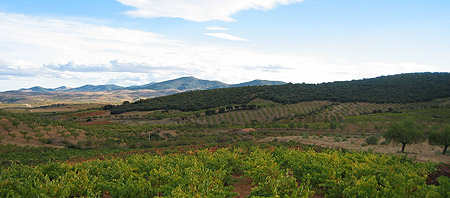 However, the limestone rich soil of Calatayud is one reason to pay attention to wines coming from this region. Another reason? The native varietal known as Garnacha (but perhaps better known as Grenache). About 2/3 of the total production in Calatayud is of this varietal which is used as a blending grape to provide some oomph to wines. According to Espavino, the 2003, 2004 and 2005 vintages are considered Very Good, while the 2006 vintage that spawned the very nice Claraval was considered merely Good.












 sybaritesauvage